
What Is the EV Charging Industry?
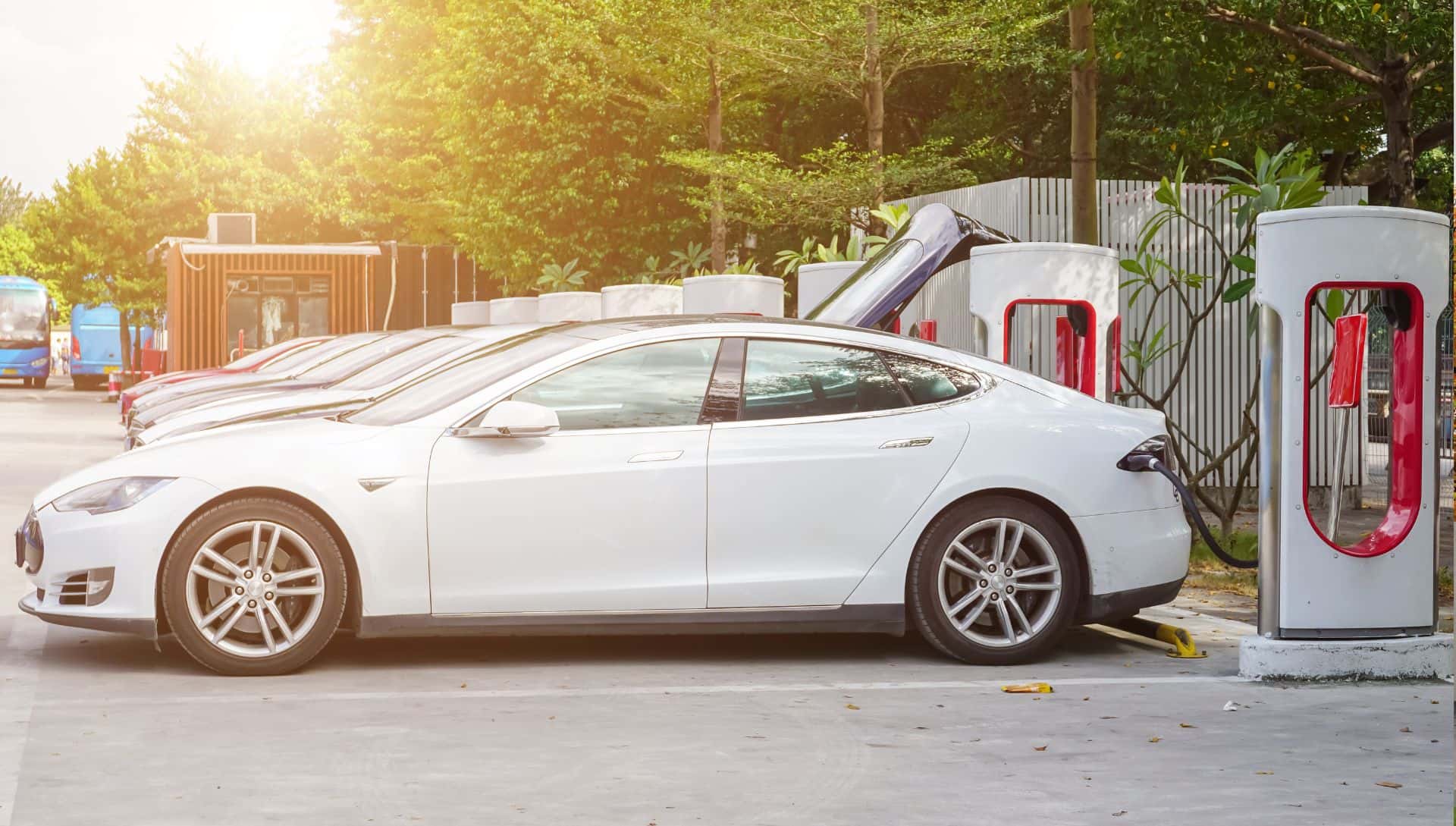
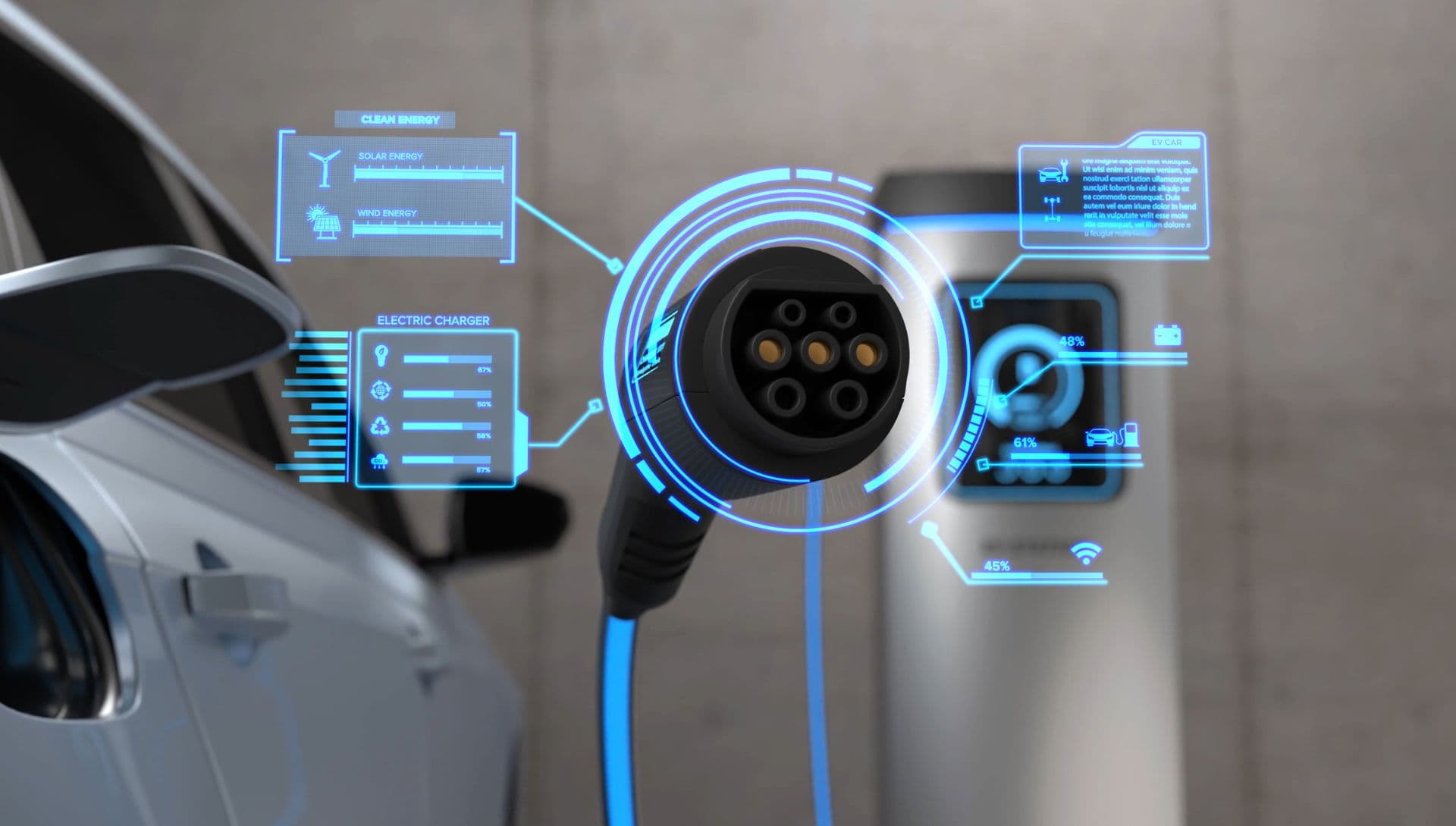
As electric vehicles (EVs) become more common, the infrastructure to charge them has become a critical industry. The EV charging industry provides the networks, equipment, and services that enable electric vehicles to recharge their batteries—similar to how gas stations serve traditional vehicles.
This industry includes:
- Charging station manufacturers
- Charging network operators
- Energy providers and grid operators
- Software and payment platforms
- Installation and maintenance services
Understanding this industry means understanding how the transition to electric mobility actually works.
How the EV Charging Industry Works
The EV charging ecosystem operates through several interconnected layers:
1. Charging Equipment Manufacturing
Manufacturers produce different types of chargers:
- Level 1 Chargers: Standard home outlets (slow charging)
- Level 2 Chargers: Faster home and public chargers
- DC Fast Chargers: Rapid charging for highways and commercial use
- Ultra-Fast Chargers: Next-generation high-power charging
2. Charging Network Operations
Network operators deploy and manage charging stations:
- Site selection and installation
- Power supply and grid connection
- Network management and monitoring
- Customer access and payment systems
- Maintenance and support
3. Energy Supply and Grid Integration
The industry works closely with energy providers to:
- Ensure adequate power supply
- Manage grid load and demand
- Integrate renewable energy sources
- Optimize charging schedules
- Implement smart charging solutions
4. Software and Services
Technology platforms enable:
- Charger location and availability apps
- Payment processing and billing
- Fleet management for commercial EVs
- Energy management and optimization
- User experience and customer support
The EV Charging Value Chain
The ecosystem includes several key players:
- Equipment Manufacturers: Companies like ABB, Siemens, and ChargePoint producing charging hardware
- Network Operators: Companies deploying and managing charging networks
- Energy Providers: Utilities and renewable energy companies supplying power
- Automakers: Car manufacturers investing in charging infrastructure
- Technology Platforms: Software companies providing apps and management systems
- Site Hosts: Property owners and businesses hosting charging stations
Why EV Charging Matters
The EV charging industry is critical because:
- It enables the transition to electric mobility
- It reduces dependence on fossil fuels
- It supports climate change mitigation efforts
- It creates new business opportunities and jobs
- It transforms how we think about transportation energy
How EV Charging Impacts Daily Life
EV charging is becoming part of everyday infrastructure:
- Home charging for overnight convenience
- Workplace charging during office hours
- Public charging at shopping centers and parking lots
- Fast charging on highways for long trips
- Fleet charging for commercial vehicles and delivery services
Types of EV Charging
Home Charging
Most EV owners charge at home using Level 1 or Level 2 chargers, typically overnight when electricity rates are lower.
Public Charging
Public charging stations are located at shopping centers, parking lots, and street parking, offering convenient charging while running errands.
Fast Charging
DC fast chargers along highways enable long-distance travel by providing rapid charging in 20-40 minutes.
Workplace Charging
Employers are installing chargers to support employees who drive EVs, often as part of sustainability initiatives.
Key Trends in the EV Charging Industry
The industry is evolving with trends like:
- Ultra-Fast Charging: Next-generation chargers delivering 350kW+ for rapid charging
- Wireless Charging: Inductive charging without cables
- Vehicle-to-Grid (V2G): EVs feeding power back to the grid
- Smart Charging: AI-optimized charging based on grid demand and pricing
- Renewable Integration: Charging powered by solar and wind energy
- Battery Swapping: Alternative model where batteries are exchanged instead of charged
Why EV Charging Margins Are Under Pressure
Despite growth, EV charging businesses face challenges:
- High upfront capital costs for infrastructure
- Ongoing electricity and maintenance expenses
- Utilization rates still building as EV adoption grows
- Competition driving down charging prices
- Regulatory and permitting complexity
- Technology evolution requiring continuous upgrades
Success requires strategic site selection, operational efficiency, and diversified revenue models.
Careers in the EV Charging Industry
The industry offers careers across:
- Network planning and site development
- Electrical engineering and installation
- Software development and platform management
- Operations and maintenance
- Sales and business development
- Energy management and grid integration
- Customer support and user experience
Why Understanding EV Charging Helps
Even if you don't own an EV yet, understanding this industry helps you:
- Make informed decisions about EV adoption
- Recognize career opportunities in clean energy
- Understand the energy transition
- Appreciate infrastructure challenges and solutions
The EV charging industry is building the foundation for sustainable transportation—understanding it means understanding the future of mobility.
Tags
Share this article

Omnivance Research Team
Dedicated to bridging the gap between education and industry requirements.
Related Courses
Deepen your knowledge with these recommended courses