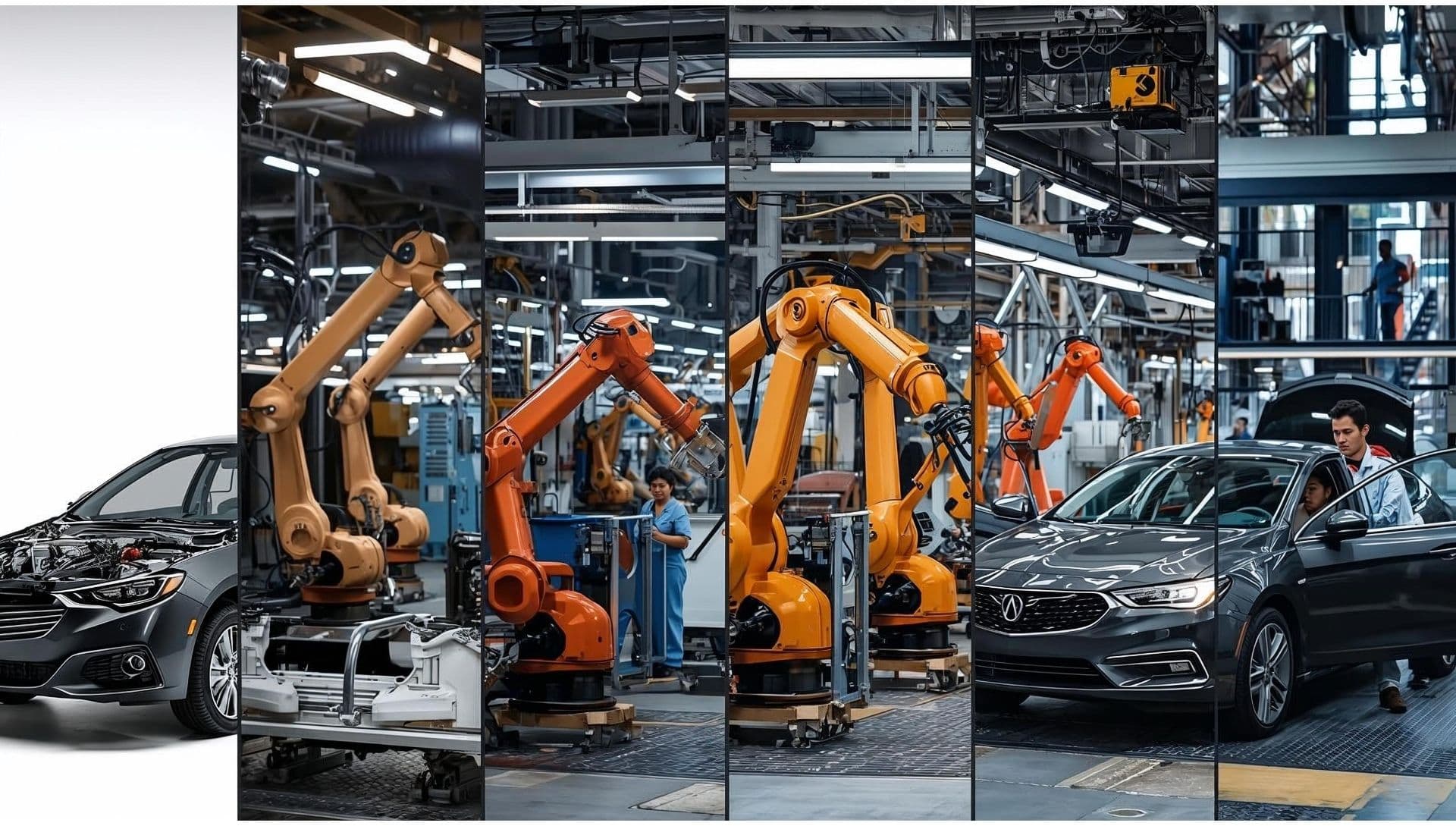

Introduction: The Hidden Engine Behind Every Car
When you see a car on the road, you are not just looking at a product, you are seeing the output of one of the most complex and interconnected industries in the world. The automobile industry is not just about manufacturing vehicles; it is an ecosystem that connects raw materials, global supply chains, advanced technology, dealerships, financing, and after-sales services.
Understanding how the automobile industry works is essential for students, professionals, and anyone looking to build a career in this space. It gives you clarity on where value is created, who the key players are, and how decisions at one stage impact the entire system.
What Is the Automobile Industry Value Chain?
At its core, the automobile industry operates through a structured value chain, where each stage contributes to building, selling, and maintaining a vehicle. This value chain ensures that a car moves from concept to customer efficiently and profitably.
According to McKinsey Automotive Industry Insights, the automotive sector is undergoing rapid transformation due to electrification, digitalization, and supply chain evolution, making it even more important to understand how the industry functions end-to-end.
Step 1: Raw Materials & Component Suppliers
The journey of a car begins long before it reaches a factory. It starts with raw materials such as steel, aluminum, rubber, glass, and increasingly, lithium and rare earth metals used in electric vehicles.
These materials are processed and supplied to Tier 2 and Tier 3 suppliers who manufacture basic components like wires, chips, and mechanical parts. These suppliers form the foundation of the automobile ecosystem.
For example, semiconductor shortages highlighted how critical this stage is, where disruptions in chip supply impacted global car production.
Step 2: Tier 1 Suppliers – Building Key Systems
Tier 1 suppliers assemble major systems such as engines, braking systems, infotainment units, and transmission systems. These components are not built by car manufacturers themselves but by specialized suppliers.
Companies like Bosch, Denso, and Magna play a crucial role here by providing ready-to-integrate systems to automakers. This allows automobile companies to focus on design, branding, and final assembly rather than building every part from scratch.
Step 3: OEMs (Original Equipment Manufacturers)
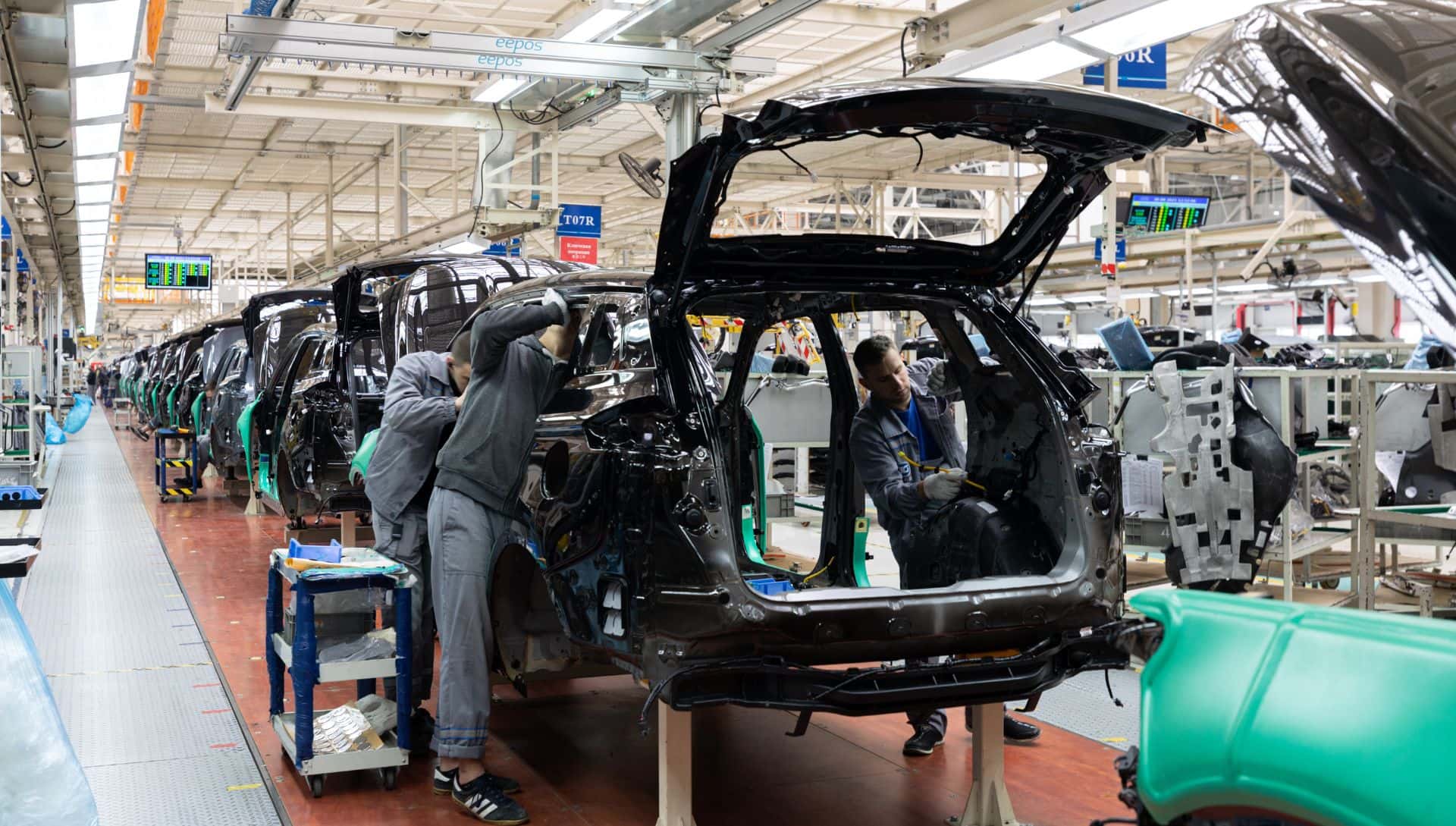
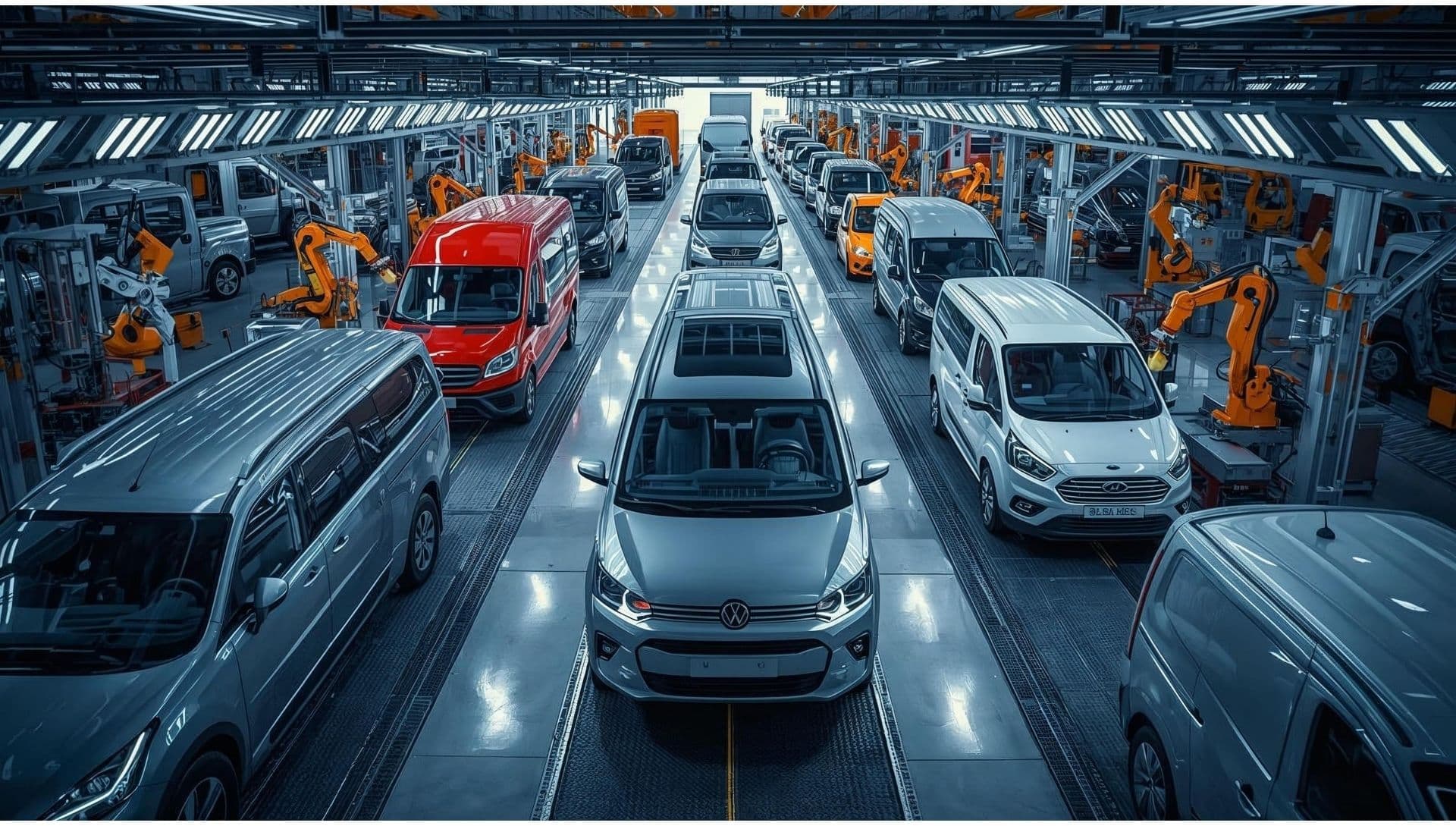
This is where the car takes its final shape. Original Equipment Manufacturers (OEMs) such as car brands design, assemble, and produce vehicles using components sourced from multiple suppliers.
OEMs are responsible for product innovation, safety standards, branding, and overall customer experience. They manage large-scale manufacturing plants, ensure quality control, and coordinate complex supply chains across geographies.
According to Statista Automotive Industry Report, global vehicle production runs into tens of millions annually, highlighting the scale at which OEMs operate.
Step 4: Distribution & Dealership Network
Once vehicles are manufactured, they move into the distribution phase. OEMs rely on a network of dealers and distributors to sell vehicles to customers.
Dealerships act as the interface between the brand and the customer. They handle vehicle sales, test drives, financing options, and documentation. In many markets, dealerships are independent businesses that partner with OEMs.
This stage is critical because customer experience at the dealership directly impacts brand perception and sales performance.
Step 5: Sales, Financing & Customer Purchase
Buying a car is rarely a simple transaction. It often involves financing, insurance, and trade-ins. Financial institutions and NBFCs play a key role in enabling customers to purchase vehicles through loans and leasing options.
The integration of digital platforms has also transformed this stage, allowing customers to research, compare, and even purchase vehicles online.
Step 6: After-Sales Service & Maintenance
The relationship with the customer does not end after the purchase. In fact, this is where long-term value is created.
After-sales services include maintenance, repairs, spare parts, warranties, and service packages. This segment is highly profitable for both OEMs and dealerships.
Aftermarket services contribute significantly to revenue and customer retention in the automotive industry.
Step 7: Emerging Layer : Technology, EVs & Connected Ecosystems
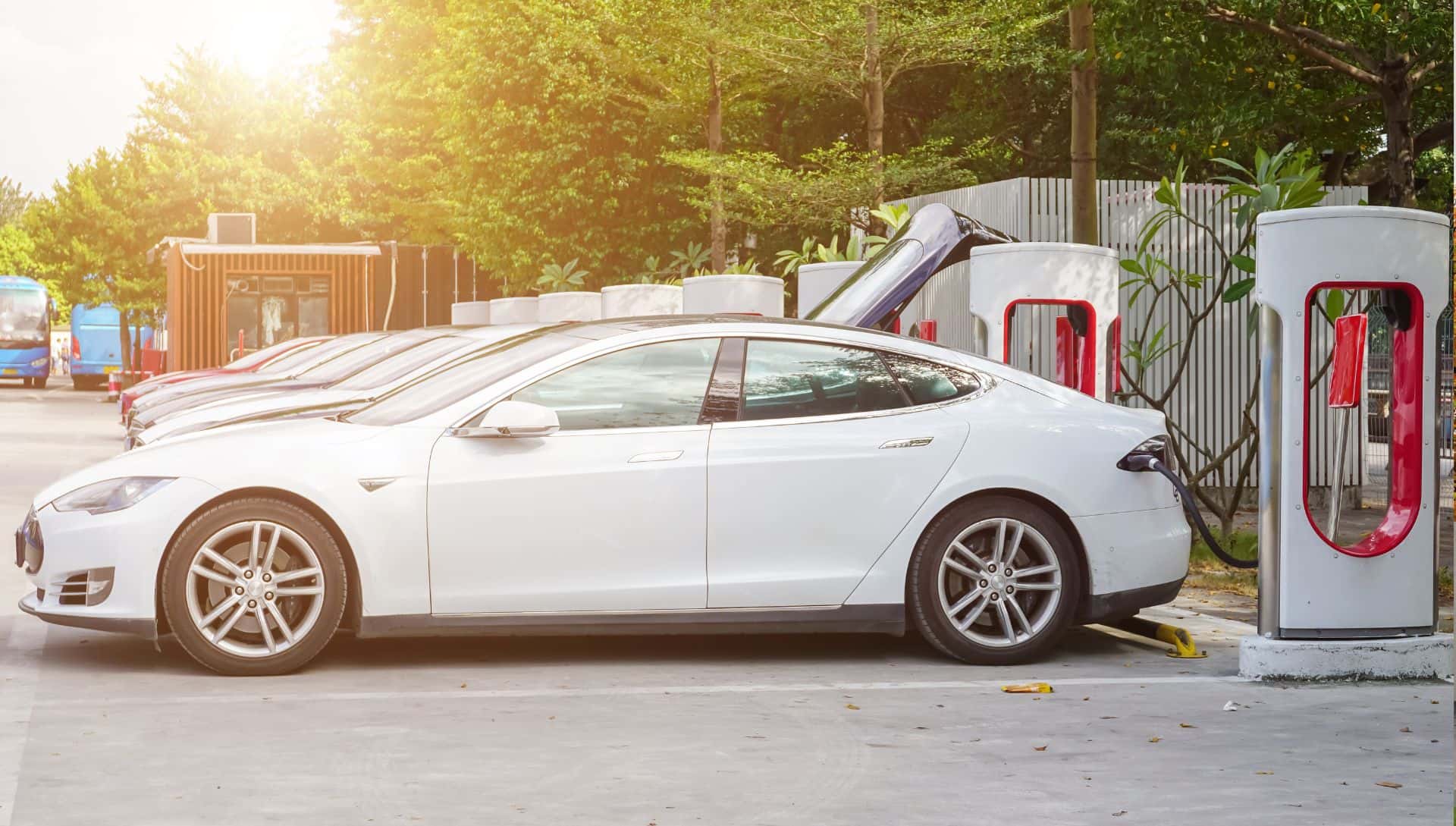
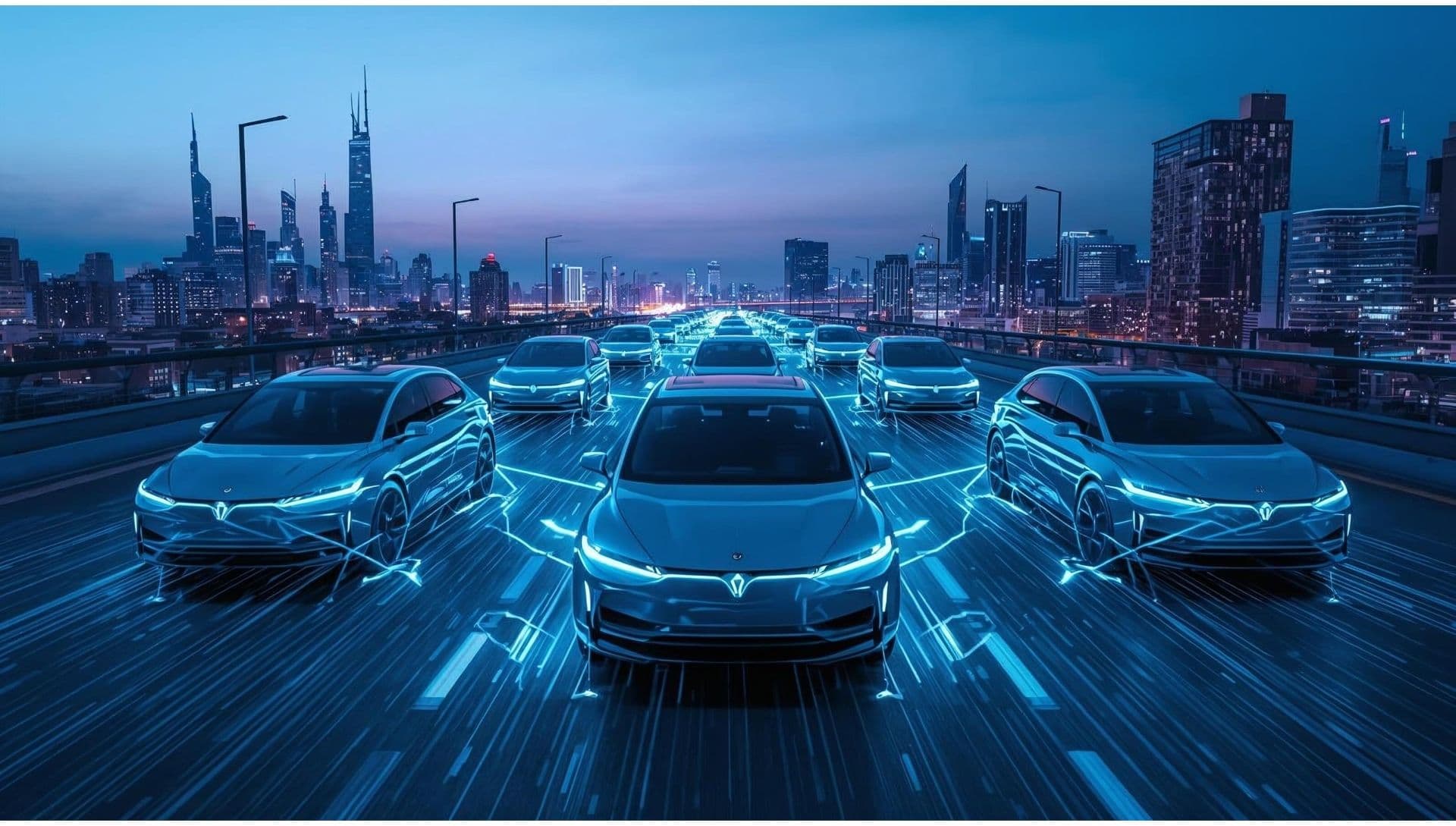
The automobile industry is no longer just mechanical, it is becoming digital and software-driven. Electric vehicles, autonomous driving, connected cars, and AI-driven analytics are reshaping how the industry operates.
Companies are now investing heavily in software platforms, battery technology, and data ecosystems. This shift is creating new roles and opportunities across engineering, data science, cybersecurity, and digital product management.
How Value Flows Across the Automobile Industry
If you look at the entire system together, the automobile industry works like a continuous flow of value. Raw materials are converted into components, components into vehicles, vehicles into customer experiences, and experiences into long-term revenue.
Each stage is interdependent. A disruption in supply chain impacts manufacturing. Poor dealership experience affects sales. Weak after-sales service impacts brand loyalty.
This interconnected nature is what makes industry knowledge so powerful. When you understand the full picture, you can make better decisions, regardless of your role or function.
Why Understanding the Automobile Industry Matters for Your Career
Many professionals focus only on their function, such as marketing, finance, or operations. However, real career growth comes when you understand how your role fits into the larger industry.
For example, a marketing professional in the automobile industry must understand product lifecycle, dealership dynamics, and customer buying behavior. Similarly, an operations professional must understand supplier dependencies and production cycles.
This is where industry intelligence becomes a real differentiator.
Learn the Automobile Industry in a Structured Way
If you want to go beyond theory and truly understand how industries work in real life, you need a structured, end-to-end learning approach.
Explore additional foundational courses and reference readings:
These courses are designed to help you connect the dots between manufacturing, supply chain, customer experience, and business outcomes.
In Summary …
The automobile industry is not just about cars, it is about systems, flows, and interconnected decisions. The more you understand how it works from manufacturing to customer, the better equipped you are to grow your career in any role within the industry.
FAQs
1. What are the main stages of the automobile industry?
The automobile industry operates through raw materials, suppliers, OEM manufacturing, distribution, sales, and after-sales service.
2. Who are OEMs in the automobile industry?
OEMs (Original Equipment Manufacturers) are companies that design and manufacture vehicles, such as car brands.
3. Why is the automobile supply chain so complex?
Because it involves multiple tiers of suppliers, global sourcing, advanced technology, and strict quality standards.
4. How is AI changing the automobile industry?
AI is enabling connected vehicles, predictive maintenance, autonomous driving, and smarter manufacturing processes.
Tags
Share this article

Omnivance Research Team
Dedicated to bridging the gap between education and industry requirements.
Related Courses
Deepen your knowledge with these recommended courses