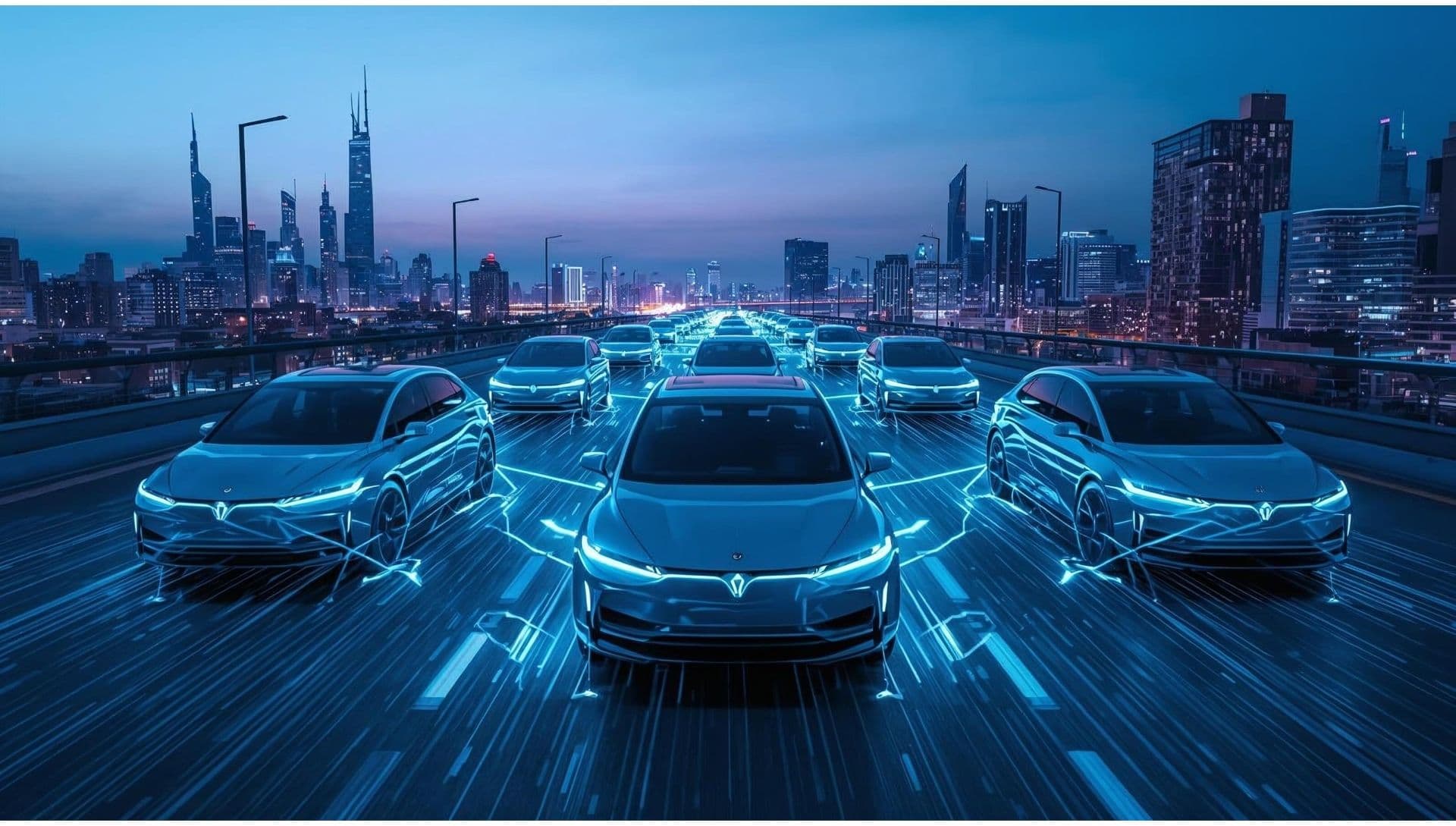

Introduction: Cars Are Becoming Smart Devices
The automobile industry is undergoing one of its biggest transformations in history. Cars are no longer just mechanical machines—they are becoming intelligent, connected systems that can communicate, learn, and evolve over time.
This shift has given rise to connected cars, which are redefining how vehicles are built, sold, and experienced. For professionals and students, understanding this shift is critical because it is reshaping roles, skills, and opportunities across the industry.
What Are Connected Cars?
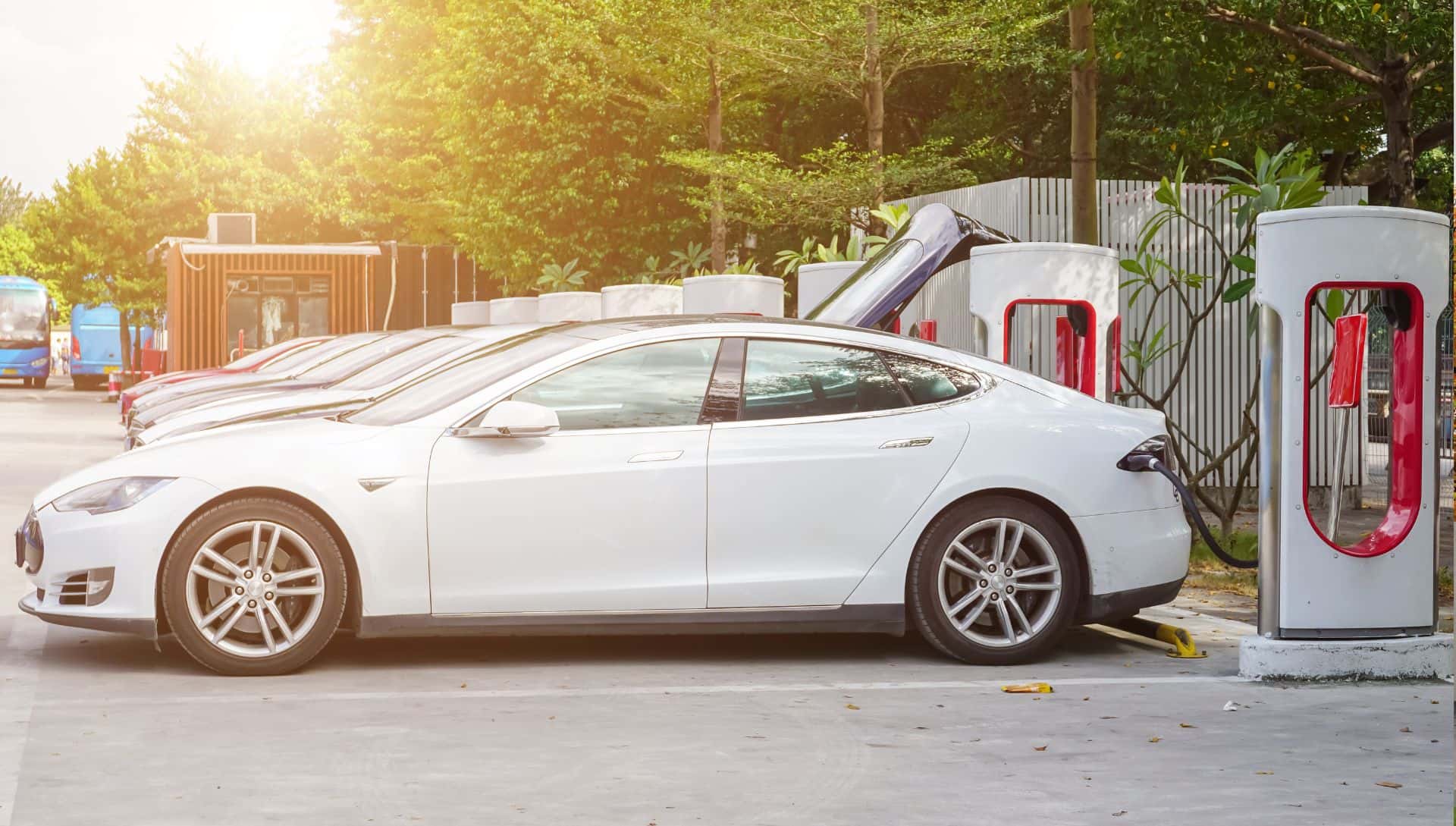
Connected cars are vehicles equipped with internet connectivity and advanced communication technologies that allow them to send and receive data in real time.
These vehicles can interact with drivers, other vehicles, infrastructure, and cloud platforms to deliver enhanced safety, convenience, and performance.
According to Statista Connected Car Statistics, the number of connected cars worldwide is expected to exceed 400 million units, highlighting the rapid adoption of connected technologies in the automotive space.
Why Connected Cars Are Growing Rapidly
The growth of connected cars is not accidental, it is driven by multiple global trends.
The global automotive industry itself is massive and evolving. As per Statista Automotive Industry Overview, annual global vehicle production runs into tens of millions of units, creating a huge base for digital transformation.
At the same time, electrification and digital ecosystems are accelerating change. According to IEA Global EV Outlook, electric vehicle adoption is growing rapidly, and most EV platforms are inherently connected, further driving the connected car ecosystem.
Additionally, insights from McKinsey Automotive & Mobility Insights suggest that software and digital services are becoming a major revenue driver for automakers, signaling a shift from hardware-centric to software-driven business models.
How Connected Cars Actually Work
Connected cars operate through a combination of sensors, connectivity modules, software systems, and cloud infrastructure.
Vehicles continuously collect data related to location, engine performance, driver behavior, and surroundings. This data is transmitted through cellular networks, Wi-Fi, or satellite systems to cloud platforms.
The cloud processes this data and sends back insights, alerts, or commands, enabling features like navigation, predictive maintenance, and remote control.
This real-time data loop is what makes connected cars intelligent and adaptive.
Key Technologies Powering Connected Cars
Connected cars are powered by multiple technologies working together.
Internet of Things (IoT)
Vehicles act as IoT devices, continuously exchanging data with other systems.
Telematics
Telematics systems collect and transmit data such as speed, fuel usage, and driving patterns.
Cloud Computing
Cloud platforms store and analyze vehicle data at scale, enabling remote access and real-time insights.
Artificial Intelligence (AI)
AI helps interpret data and enables features like driver assistance and predictive maintenance.
5G Connectivity
High-speed networks enable faster communication between vehicles and external systems.
For a broader industry view on digital transformation in automotive, refer to:
Microsoft Automotive Industry Solutions
Types of Connected Car Features
Connected cars enhance both driver experience and operational efficiency.
Safety features include collision alerts and emergency response systems. Navigation systems provide real-time traffic updates. Remote access allows users to control vehicle functions through mobile apps.
Predictive maintenance alerts help reduce breakdowns, while infotainment systems offer seamless digital experiences similar to smartphones.
How Connected Cars Are Transforming the Auto Industry
Connected cars are fundamentally changing how the automobile industry operates.
Shift from Product to Platform
Vehicles are evolving into digital platforms that can receive software updates and new features over time.
New Revenue Streams
Automakers are generating revenue through subscriptions, software upgrades, and connected services.
Data as a Strategic Asset
Connected cars generate vast amounts of data, enabling companies to improve products, optimize operations, and personalize customer experiences.
Enhanced Customer Expectations
Customers now expect continuous updates, smart features, and seamless digital integration—similar to their smartphone experience.
Impact on Careers and Skills
The rise of connected cars is redefining career paths in the automobile industry.
Mechanical engineering alone is no longer sufficient. Professionals now need skills in software, data analytics, cloud computing, and cybersecurity.
This shift is opening opportunities for roles in AI, digital product management, connected systems, and cyber risk.
Challenges in Connected Cars
Despite their advantages, connected cars introduce new challenges.
Cybersecurity risks are increasing as vehicles become more connected. Data privacy concerns are growing due to continuous data collection. Infrastructure limitations can affect connectivity in certain regions.
Additionally, integrating advanced technologies increases development costs for automakers.
The Future of Connected Cars
Connected cars are a foundation for future mobility systems, including autonomous vehicles and smart cities.
As technologies like AI, 5G, and edge computing mature, vehicles will become more intelligent, autonomous, and integrated with urban infrastructure.
This transformation will redefine not just transportation, but the entire mobility ecosystem.
Why Understanding Connected Cars Matters
Understanding connected cars is essential for anyone looking to build a career in the automobile industry.
It helps you see how technology, business models, and customer expectations are evolving together—and where opportunities exist.
Learn the Auto Industry End-to-End
To fully understand connected cars, you need a strong foundation in how the automobile industry works.
Learning about value chains, business models, and customer journeys helps you connect technology with real-world impact.
FAQs
1. What is a connected car?
A connected car is a vehicle that can communicate with the internet, other devices, and systems to provide real-time data and services.
2. How many connected cars are there globally?
Estimates suggest that connected cars will exceed 400 million globally in the coming years.
3. What technologies power connected cars?
Key technologies include IoT, AI, cloud computing, telematics, and 5G connectivity.
4. Are connected cars safe?
They offer advanced safety features but require strong cybersecurity to mitigate risks.
Tags
Share this article

Omnivance Research Team
Dedicated to bridging the gap between education and industry requirements.
Related Courses
Deepen your knowledge with these recommended courses