
It’s Not Just a Stay, It’s a Feeling
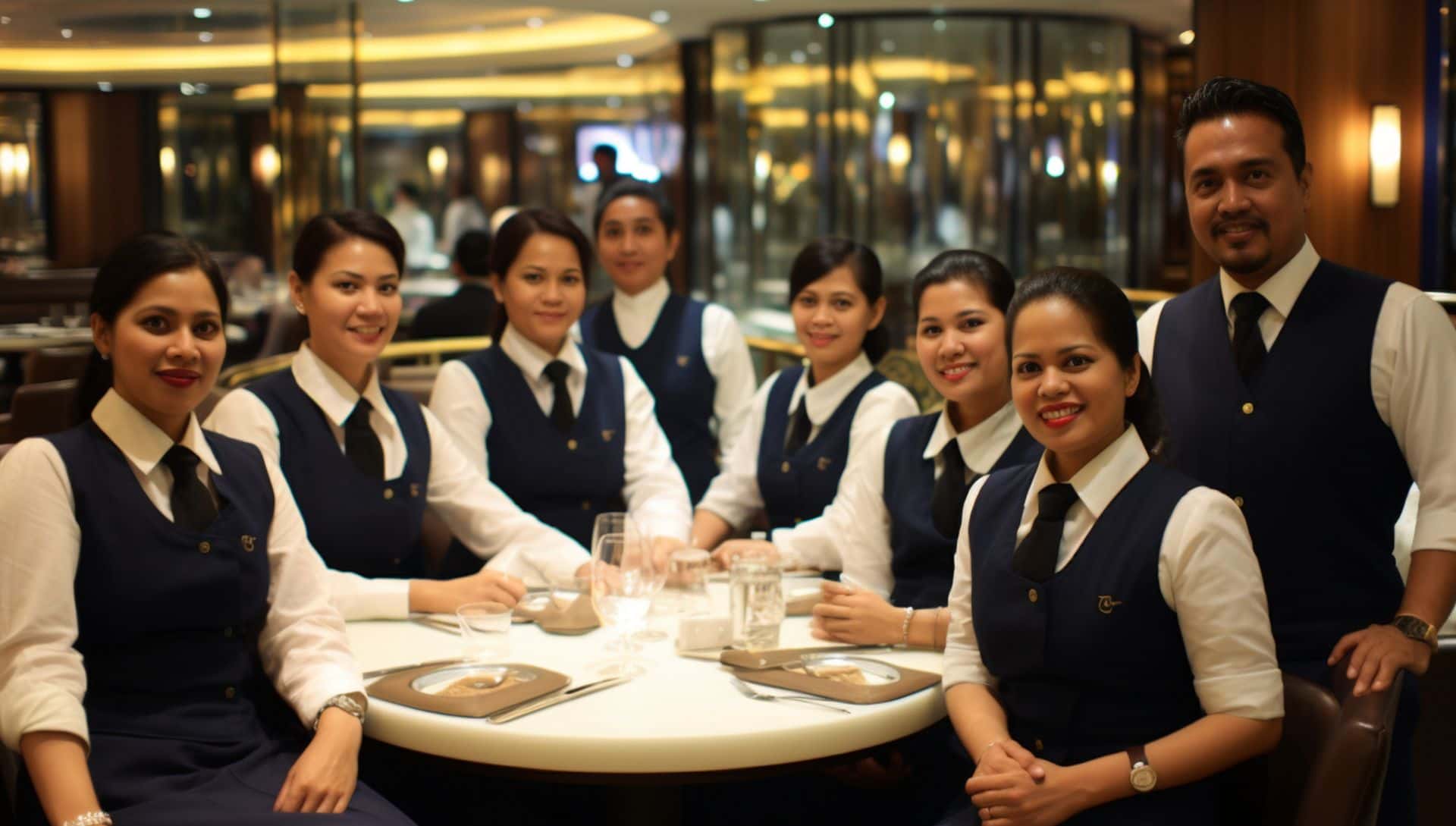
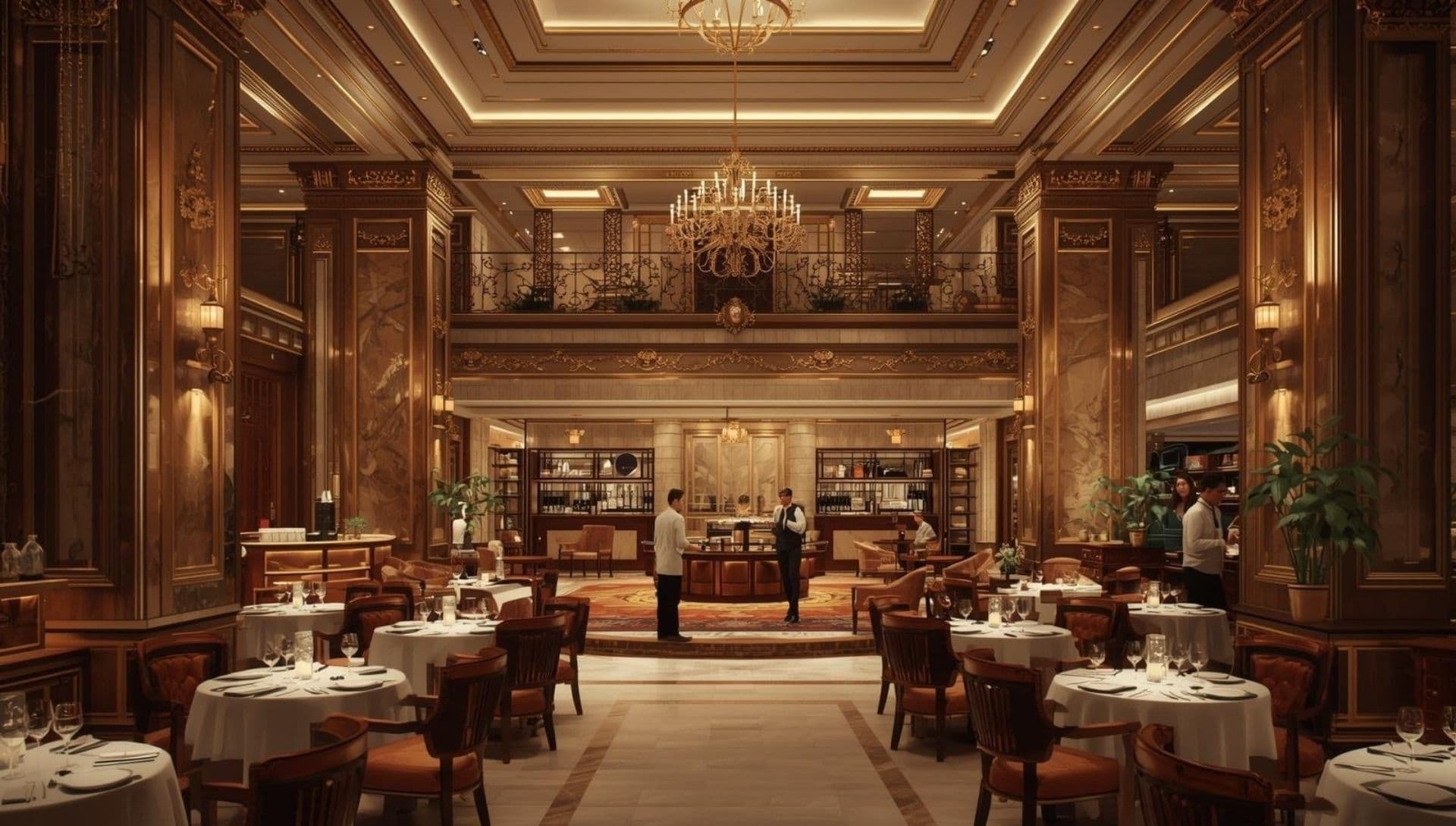
Think about the last time you stayed at a hotel or went out for a nice dinner. You may not remember every detail of the place, but you will definitely remember how it made you feel. Maybe the staff was warm and welcoming, maybe the room felt peaceful, or maybe the food and ambience made the evening special.
That feeling is exactly what the hospitality industry sells.
Unlike other industries that focus on products, hospitality focuses on experiences. A room is not just a room. A meal is not just food. A trip is not just travel. Everything is designed to create comfort, joy, and memorable moments. That is why two places offering similar services can charge very different prices because the experience is different.
What Is the Hospitality Industry?
The hospitality industry is a group of businesses that provide services to make people feel welcome, comfortable, and cared for. These businesses focus on creating positive experiences rather than selling physical products.
At its core, hospitality is about taking care of people. Whether someone is traveling for work, going on vacation, attending an event, or simply eating out, they expect a certain level of comfort and service. The industry exists to meet those expectations.
Globally, hospitality is a major contributor to the economy. According to the World Travel & Tourism Council, travel and tourism contribute a significant share to global GDP, showing how important this industry is for jobs, businesses, and economies.
What Does the Hospitality Industry Include?
The hospitality industry is not limited to hotels. It is a combination of multiple sectors that together create a complete experience for the customer.
Hotels and accommodation services form the backbone of the industry. These include everything from budget hotels to luxury resorts and even home-stays. Their primary goal is to provide comfort, safety, and a pleasant stay.
Food and beverage is another major part of hospitality. Restaurants, cafes, and catering services do much more than serve food. They create an atmosphere where people can relax, celebrate, or connect with others.
Travel and tourism businesses manage how people move from one place to another and how they experience destinations. This includes airlines, travel agencies, and tour operators who plan and organize journeys.
Events and entertainment also play a key role. Weddings, corporate events, concerts, and theme parks are all part of hospitality because they focus on creating memorable experiences.
How Experiences Become a Business
The most interesting part of the hospitality industry is how it turns experiences into a business model.
In most industries, you pay for a product that you can touch and keep. In hospitality, you pay for something that you feel and remember. A hotel room is not valuable because of the bed or furniture alone. Its value comes from how comfortable, clean, and cared for you feel during your stay.
This is why service quality becomes so important. A small mistake in service can impact the entire experience. On the other hand, a small positive gesture can create a lasting impression. Businesses invest heavily in training their staff to handle customers well, solve problems quickly, and maintain a consistent level of service.
Research and insights from organizations like Deloitte highlight that customer experience is one of the biggest drivers of repeat business in hospitality. People may try a place once, but they return only if the experience is good.
The Unique Economics of Hospitality
Hospitality operates very differently compared to industries like manufacturing or retail.
One of the biggest challenges is that services cannot be stored. If a hotel room remains empty for a night, that revenue is lost forever. The same applies to an empty seat on a flight or an unoccupied table in a restaurant. This makes demand management very important.
Demand in hospitality is also seasonal. There are peak times when demand is very high, such as holidays or festivals, and there are slow periods when business drops. Companies must adjust their pricing and operations accordingly. For example, prices may increase during peak seasons and decrease during off-seasons to attract customers.
Another important factor is pricing flexibility. Hospitality businesses often change prices based on demand, availability, and customer behavior. This is why the same hotel room may cost different amounts on different days.
How Hospitality Businesses Make Money
Revenue in the hospitality industry comes from multiple sources, but the main idea remains the same, offering value through experiences.
Hotels earn money through room bookings, but they also generate additional income from food services, events, and premium experiences such as spa treatments or room upgrades. Restaurants earn from food and beverages, but their profitability often depends on how well they manage costs and customer flow.
An interesting aspect is that many businesses make higher profits from add-on services rather than their core offerings. For example, a hotel may earn more from events or premium services than from basic room bookings.
The Role of Technology in Hospitality
Technology is transforming how hospitality businesses operate and serve customers.
Online platforms like Airbnb and Booking.com have changed how people book stays and experiences. Customers can now compare options, read reviews, and make decisions within minutes.
Technology also helps businesses provide better service. Mobile check-ins, digital payments, and personalized recommendations are becoming common. Companies are using data to understand customer preferences and offer customized experiences.
According to McKinsey & Company, digital transformation is helping hospitality companies improve both efficiency and customer satisfaction, making technology a key part of the industry’s future.
What Makes Hospitality Different
The biggest difference between hospitality and other industries is the focus on emotion.
In most industries, customers evaluate products based on features, price, or quality. In hospitality, customers evaluate their experience. Two hotels with similar facilities can receive very different reviews depending on how guests were treated.
This makes the industry both exciting and challenging. Businesses must consistently deliver good experiences while managing costs and operations.
Skills Required in Hospitality
Working in the hospitality industry requires a unique combination of skills. While technical knowledge is important, people skills play a much bigger role.
Employees must be able to communicate clearly, handle different types of customers, and solve problems quickly. Attention to detail is also critical because small things can make a big difference in customer experience.
Teamwork is equally important because hospitality services often involve multiple people working together to deliver a seamless experience.
Challenges in the Hospitality Industry
Despite its growth and opportunities, the hospitality industry faces several challenges.
Competition is intense, with many businesses offering similar services. Customer expectations are constantly increasing, and even a small issue can lead to negative reviews on platforms like Tripadvisor.
External factors such as economic conditions, travel restrictions, and global events can also impact demand. This makes the industry highly sensitive to changes in the environment.
The Future of Hospitality
The future of hospitality is moving towards more personalized and experience-driven services.
Customers today expect more than just basic service. They want unique experiences that match their preferences. Businesses are using technology and data to deliver these personalized experiences.
Sustainability is also becoming important. Many customers prefer businesses that focus on eco-friendly practices and responsible tourism.
Overall, the industry is evolving from simply providing services to creating meaningful and customized experiences.
Why Hospitality Matters More Than Ever
In today’s world, people are increasingly valuing experiences over material things. Travel, dining, and entertainment are becoming key parts of people’s lifestyles.
This shift is driving the growth of the hospitality industry. It is no longer just about serving customers. It is about understanding them, connecting with them, and creating moments they will remember.
That is why hospitality is often called the experience economy in action.
Final Thought
The hospitality industry shows us a simple but powerful idea. People may forget what they bought, but they never forget how they were treated. And that is what makes experiences one of the most valuable businesses in the world.
FAQs
What is the hospitality industry in simple words?
The hospitality industry is about providing services that make people feel comfortable, welcome, and happy, such as hotels, restaurants, and travel services.
What are the main sectors of hospitality?
The main sectors include accommodation, food and beverage, travel and tourism, and events and entertainment.
How does the hospitality industry make money?
It earns money through bookings, food and services, and additional experiences like upgrades and events.
Is hospitality a good career option?
Yes, it is a good career for people who enjoy interacting with others, working in dynamic environments, and creating positive experiences.
What is the biggest challenge in hospitality?
The biggest challenge is maintaining consistent customer experience while managing costs and changing demand.
Reference Blogs and Courses
Tags
Share this article

Omnivance Research Team
Dedicated to bridging the gap between education and industry requirements.
Related Courses
Deepen your knowledge with these recommended courses