
Introduction
The retail industry is everywhere around us, yet most people do not fully understand how it actually works. Every time you walk into a store, order something online, or buy a product through an app, you are interacting with the retail ecosystem.
At its core, retail is the final step in the supply chain where goods are sold directly to consumers for personal use. It is the bridge between businesses that produce products and individuals who use them in their daily lives. Understanding the retail industry is important not just for business professionals, but for students, job seekers, and anyone who wants to understand how the economy functions at a practical level.
What Is the Retail Industry?
The retail industry refers to all businesses that sell products or services directly to end consumers. These businesses purchase goods from manufacturers or wholesalers and then sell them in smaller quantities to customers. Retail does not involve resale or bulk purchasing for business use. Instead, it focuses on individual consumption, making it a consumer-facing industry. For example, when a supermarket sells groceries, or when an e-commerce platform delivers a product to your home, both are part of the retail industry.
How the Retail Industry Works
The retail industry operates as part of a larger value chain that connects production to consumption.
In simple terms, the flow looks like this:
Manufacturers produce goods
Wholesalers or distributors move goods in bulk
Retailers sell goods to customers
Consumers purchase and use the products
Retailers act as the final link in this chain. They ensure that products are accessible, available, and convenient for customers to purchase. Without retailers, consumers would have to directly deal with manufacturers, which would be inefficient and impractical.
Types of Retail Businesses
The retail industry is diverse and includes multiple formats based on how products are sold and delivered.
1. Physical Retail (Brick-and-Mortar)
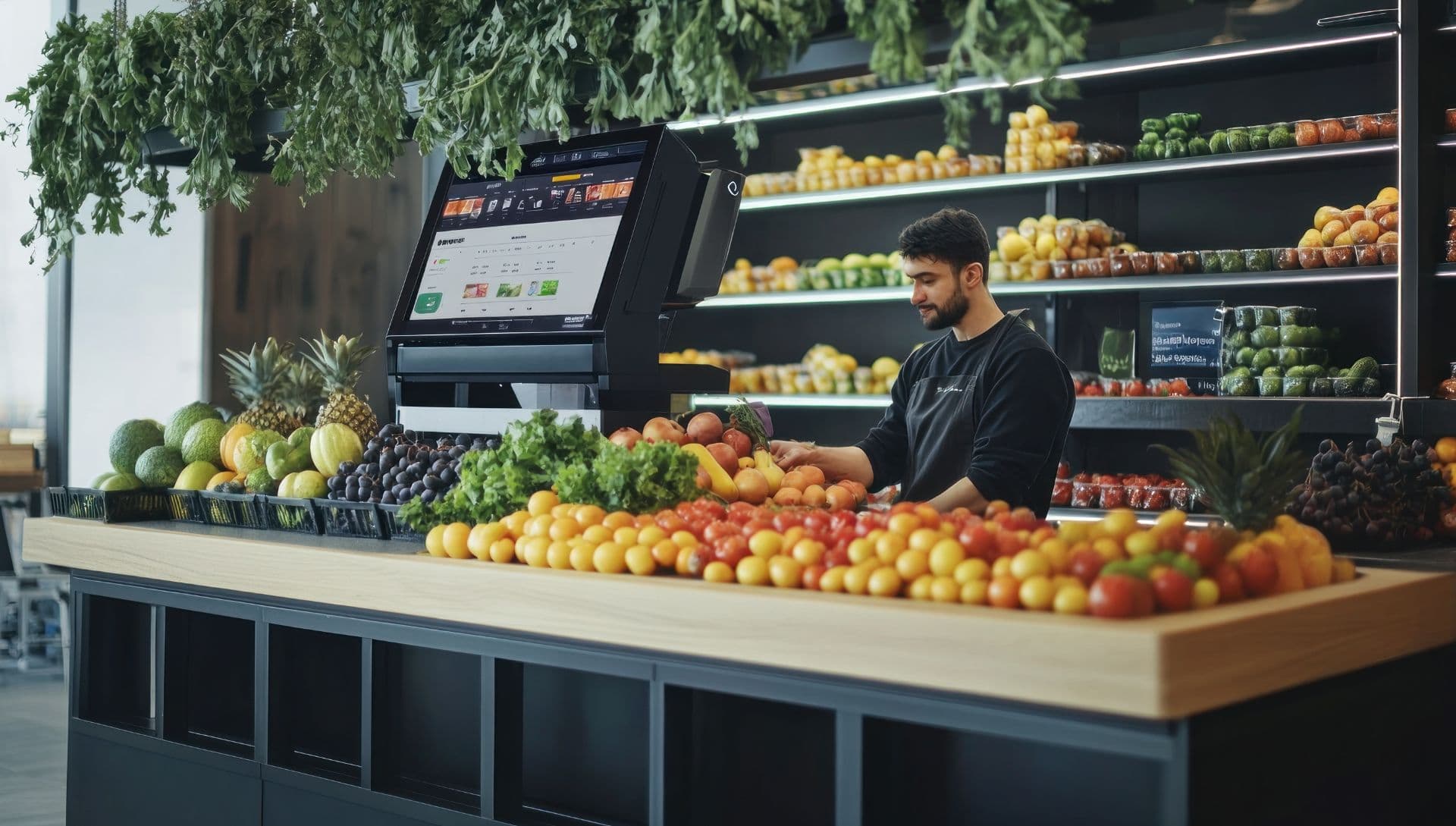
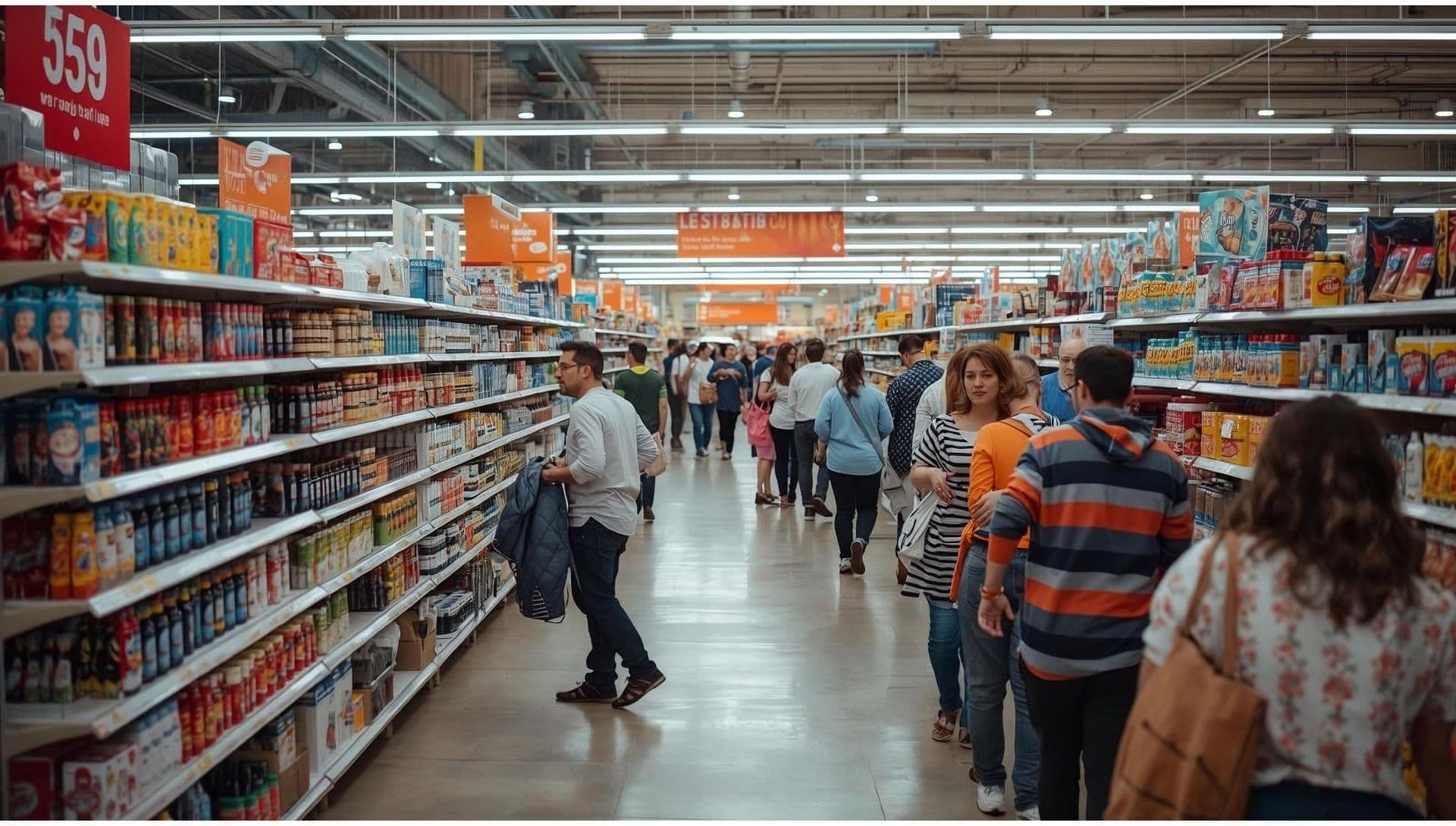
These are traditional stores where customers visit in person, such as supermarkets, malls, and local shops.
2. E-commerce Retail
Online platforms that allow customers to purchase products digitally and have them delivered to their homes.
3. Omni-channel Retail
A combination of online and offline experiences where customers can interact with brands across multiple touchpoints.
4. Specialty Retail
Stores that focus on a specific category, such as electronics, fashion, or furniture.
5. Quick Commerce
A rapidly growing segment where products are delivered within minutes, especially in urban areas.
How Retail Businesses Make Money
Retail businesses primarily make money through margins, which is the difference between the cost of purchasing a product and the price at which it is sold. In addition to product margins, retailers generate revenue through:
Private label products (own brands with higher margins)
Supplier promotions and shelf placement fees
Advertising and marketplace commissions
Membership and subscription models
Retail is often a high-volume, low-margin business, which means profitability depends heavily on scale, efficiency, and customer demand.
Why the Retail Industry Is Important
The retail industry plays a critical role in both the economy and everyday life.
It is important because:
It connects production to consumption
It creates millions of jobs globally
It drives demand across industries
It influences consumer behavior and trends
It enables access to essential goods and services
Retail is not just about selling products. It shapes how people shop, what they buy, and how businesses respond to changing customer needs.
Skills and Careers in Retail
The retail industry offers a wide range of career opportunities, from store-level roles to strategic and corporate functions.
Some common career paths include:
Store operations and management
Supply chain and logistics
Merchandising and category management
Marketing and customer experience
E-commerce and digital strategy
Retail is also a great starting point for professionals because it provides exposure to real business dynamics, customer behavior, and operational challenges.
How Retail Is Changing in the Digital Age
Retail is evolving rapidly due to technology, changing consumer expectations, and digital transformation.
Some key trends shaping the industry include:
Growth of e-commerce and mobile shopping
Rise of quick commerce and instant delivery
Use of AI for personalization and recommendations
Integration of online and offline experiences
Data-driven decision making
Despite these changes, the core purpose of retail remains the same: making products accessible to consumers in the most efficient way possible.
How You Can Learn Retail
If you want to understand retail in a structured and practical way, it is important to go beyond definitions and learn how the industry actually works. At Omnivance, courses like Retail 101 and Quick Commerce 101 help you understand:
How retail business models operate
How companies generate revenue and manage costs
How supply chains and customer demand interact
How digital transformation is reshaping retail
This kind of industry knowledge helps you move from just knowing concepts to actually understanding how businesses function.
Conclusion
The retail industry is one of the most fundamental and accessible industries in the world. It touches everyone’s life, whether they realize it or not. By understanding how retail works, you gain insights into business operations, customer behavior, and economic activity. This knowledge is valuable not only for careers in retail but also for understanding how industries function as a whole.
If you want to become industry-ready, retail is one of the best places to start.
FAQs
1. What is the retail industry in simple terms?
The retail industry is made up of businesses that sell products or services directly to consumers for personal use.
2. What is an example of retail?
Examples include supermarkets, clothing stores, online shopping platforms, and mobile apps that deliver products.
3. How do retail companies make money?
Retail companies make money by selling products at a higher price than their purchase cost and through additional revenue streams like advertising and private labels.
4. What are the main types of retail?
The main types include physical stores, e-commerce platforms, omni-channel retail, specialty stores, and quick commerce.
5. Is retail a good career option?
Yes, retail offers diverse career opportunities and is a great industry to understand real-world business operations.
Explore More Retail Industry Topics
- Why Retail Still matters in the Digital AI Age
- Quick Commerce Jobs in India
- Best Retail Certification for Career Growth in 2026
- Retail Industry Jobs in 2026
Omnivance Research Team
Dedicated to bridging the gap between education and industry requirements.
Related Courses
Deepen your knowledge with these recommended courses