
What Skills Are Required for Jobs in the Automobile Industry?
The automobile industry is one of the most dynamic and evolving sectors globally, combining engineering, technology, manufacturing, and customer experience. Whether you are a student exploring career options or a professional planning a transition, understanding the skills required for jobs in the automobile industry can give you a strong competitive edge.
According to the International Organization of Motor Vehicle Manufacturers (OICA), the global automotive sector produces tens of millions of vehicles annually, making it one of the largest employment-generating industries worldwide. As the industry rapidly evolves with electric vehicles (EVs), automation, and digital technologies, the demand for new-age skills is growing significantly.
Why Skills Matter in the Automobile Industry
The automotive sector is undergoing a massive transformation driven by electrification, connectivity, and intelligent systems. Insights from McKinsey Automotive & Mobility Insights highlight how trends like EV adoption, autonomous driving, and shared mobility are reshaping the future of the industry.
This shift means employers are no longer looking for one-dimensional skill sets. Instead, they value professionals who can understand the business, adapt to technology, and solve real-world problems across functions.
Beginner-Level Skills (Entry-Level Roles)
If you are starting your career in the automobile industry, building strong foundational skills is essential.
Basic Technical Knowledge
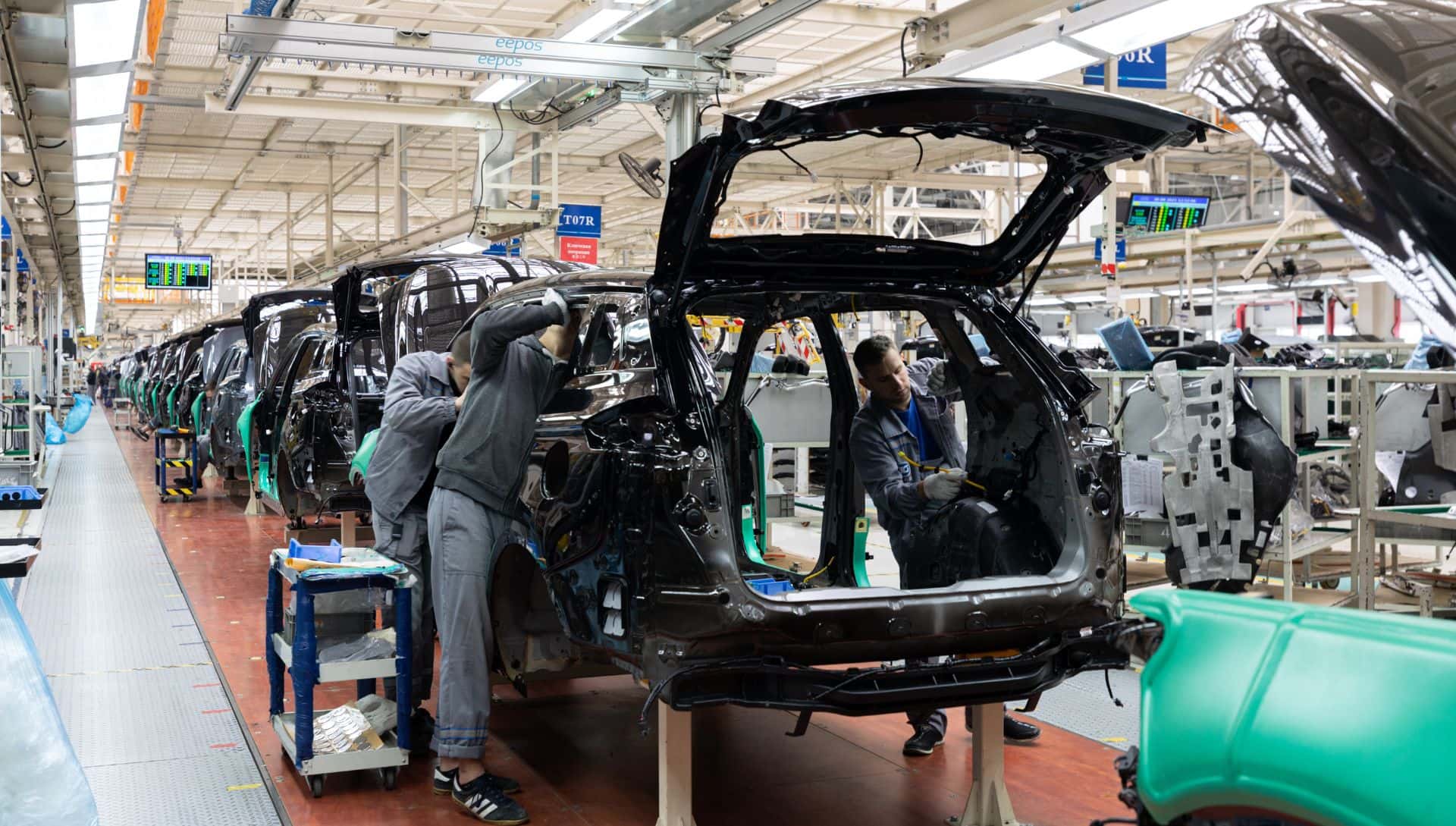
A clear understanding of automotive fundamentals such as engines, vehicle systems, and manufacturing processes is important. Even for non-technical roles, basic awareness of how vehicles are designed and produced can give you an advantage.
Industry Awareness
Understanding how the automobile industry works—from OEMs and suppliers to dealerships—is a key differentiator. The Indeed Career Guide on Industry Knowledge emphasises that industry awareness significantly improves employability.
Communication Skills
Clear communication is essential across all roles, whether you are working with teams, customers, or stakeholders.
Analytical Thinking
Employers expect entry-level professionals to interpret data, identify issues, and contribute to problem-solving.
Intermediate Skills (2–5 Years Experience)
As professionals gain experience, expectations shift from learning to delivering measurable outcomes.
Functional Expertise
You need deeper knowledge in your chosen domain:
Engineering → design, testing, quality
Operations → supply chain, production planning
Sales & Marketing → customer insights, pricing strategies
Finance → cost management and profitability
Data & Digital Skills
The automotive industry is becoming increasingly data-driven. According to the Deloitte Automotive Industry Insights, digital transformation, smart manufacturing, and connected ecosystems are key drivers of change.
Skills like data analysis, automation tools, and basic programming are becoming essential.
Real-World Problem Solving
Professionals are expected to handle practical challenges such as optimising production, improving efficiency, and enhancing customer experience.
Cross-Functional Collaboration
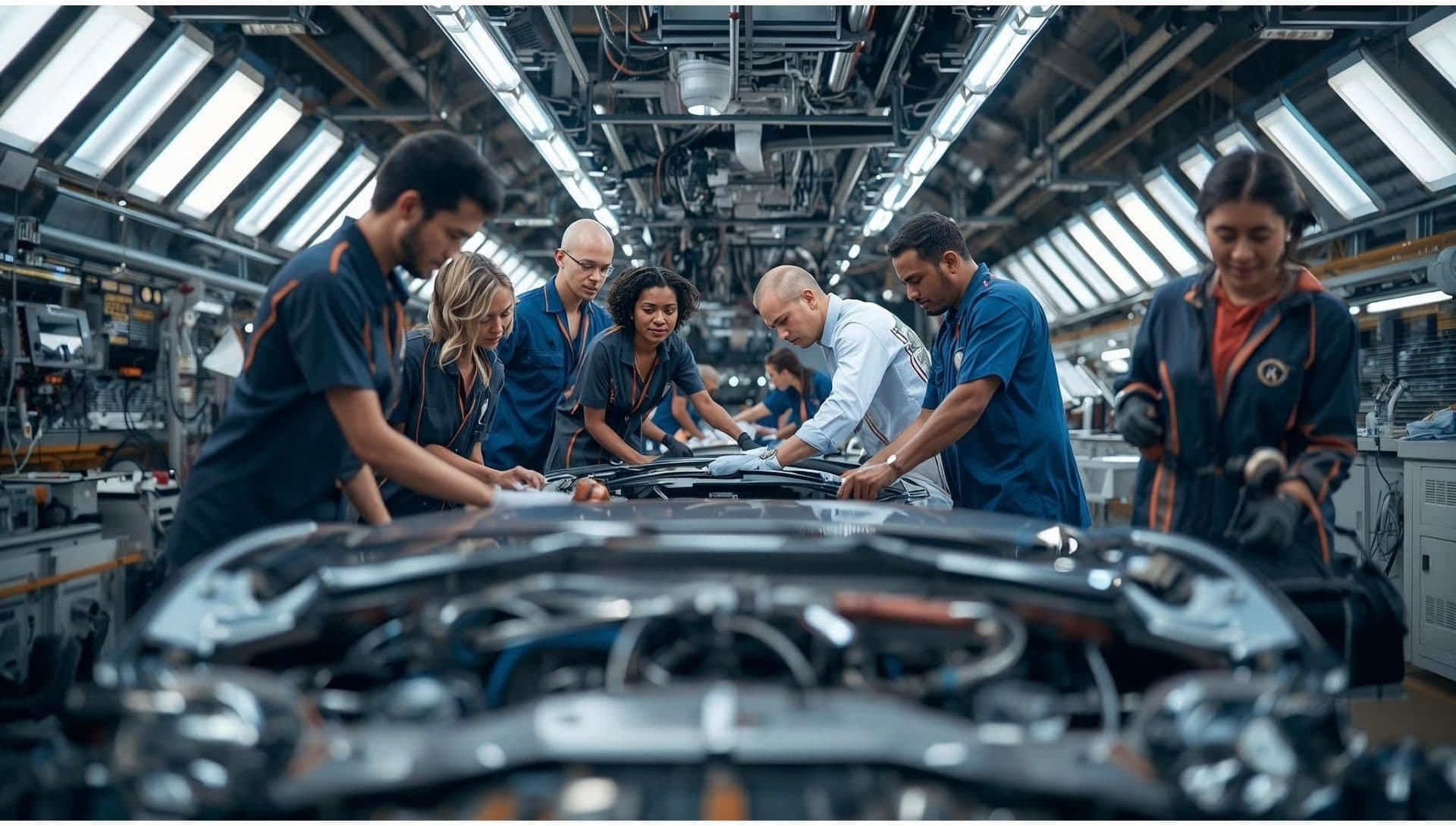
Automotive projects involve multiple teams, making collaboration across functions a critical skill.
Advanced Skills (Senior & Leadership Roles)
At senior levels, the focus shifts toward strategic thinking and business impact.
Strategic Thinking
Leaders must understand long-term industry trends such as EV growth, sustainability, and mobility transformation. Insights from BCG Automotive Industry Overview highlight how companies are redesigning their strategies to stay competitive.
Business & Industry Intelligence
Understanding revenue models, cost drivers, supply chains, and market dynamics is essential for leadership roles.
Leadership & Decision-Making
Senior professionals are responsible for managing teams, making strategic decisions, and driving business outcomes.
Innovation & Technology Adoption
Leaders are expected to adopt and scale new technologies such as AI, IoT, and digital platforms within their organizations.
Emerging Skills for the Future of the Automobile Industry
The future of automotive careers is strongly influenced by technological advancements. The World Economic Forum – Future of Jobs Report 2025 highlights that AI, data analytics, and digital skills will dominate future job requirements globally.
Some of the most in-demand skills include:
Electric Vehicle (EV) technology
Battery management systems
Autonomous driving technologies
Artificial Intelligence and Machine Learning
Cybersecurity in connected vehicles
Cloud and data platforms
Soft Skills That Matter Across All Levels
While technical skills are essential, soft skills play a major role in long-term success.
Professionals who demonstrate adaptability, continuous learning, critical thinking, collaboration, and a customer-centric mindset tend to grow faster in the industry.
How to Build Skills for the Automobile Industry
To build a successful career in the automobile industry, it is important to follow a structured approach. Start by understanding how the industry operates, then build expertise in a specific function, and gradually develop advanced technical and strategic capabilities.
Combining theoretical knowledge with real-world case studies, simulations, and industry exposure can significantly accelerate your growth.
Diverse Career Opportunities
The automobile industry offers diverse career opportunities, but success depends on how well you align your skills with industry needs. From foundational knowledge to advanced digital capabilities, the right skill set can open doors across engineering, operations, sales, analytics, and leadership roles.
In an AI-driven world, professionals who combine industry understanding with technical and business skills will have a clear competitive advantage.
FAQs: Skills for Jobs in the Automobile Industry
What skills are required for automobile industry jobs?
Key skills include technical knowledge, data analysis, problem-solving, communication, and industry awareness. Advanced roles require leadership and strategic thinking.
Do I need coding skills for automobile jobs?
Coding is not mandatory for all roles, but it is increasingly valuable in areas like data analytics, EV systems, and connected vehicles.
What are the best skills for freshers in the automobile industry?
Freshers should focus on fundamentals, communication skills, analytical thinking, and understanding how the industry works.
Which skills are important for electric vehicle (EV) careers?
Important skills include battery technology, power electronics, embedded systems, and data analytics.
Are soft skills important in the automobile industry?
Yes, soft skills like teamwork, adaptability, and communication are critical for career growth.
How can I start a career in the automobile industry?
Start with industry basics, choose a function, build relevant skills, and gain practical exposure through internships or projects.
What is the future of jobs in the automobile industry?
The future is driven by EVs, AI, automation, and connected mobility, making digital and technology skills highly important.
Related Resources
- Automobile Industry 101
- EV Charging Industry 101
- What is Automobile Industry?
- How does the Automobile Industry Work?
- What are Connected Cars?
Tags
Share this article

Omnivance Research Team
Dedicated to bridging the gap between education and industry requirements.
Related Courses
Deepen your knowledge with these recommended courses