
Everyone Talks About AI Engineers. Who Builds the Infrastructure Behind AI?
A developer types a prompt. Seconds later, an AI system responds. The exchange feels almost weightless: no factory floor, no machinery, no visible electricity. Yet behind that simple interaction sits a physical operation that must deliver power, remove heat, keep equipment running and manage expensive assets around the clock.
Who makes that possible?
The answer extends far beyond software engineers. Electrical specialists, cooling-system designers, manufacturing technicians, construction teams, commissioning engineers, facility operators and supply-chain professionals all help turn computing demand into working infrastructure. As companies invest in artificial intelligence, demand for these less visible capabilities can become a business story in its own right.
On 19 November 2026, Reuters reported that Taiwan-based Delta Electronics aims to at least triple its India revenue over the next four to five years. Its India managing director linked that ambition partly to demand from AI data centres. Delta supplies power and cooling systems; the company also expects growth from electronics and semiconductor manufacturing, energy projects, electric vehicles and buildings. These are plans and expectations, not realized future revenue. [1]
The more interesting question for Omnivance is not whether one supplier hits its target. It is why an AI investment creates opportunities across industries that are rarely described as part of the AI sector.
A data centre is a physical business before it is a digital service
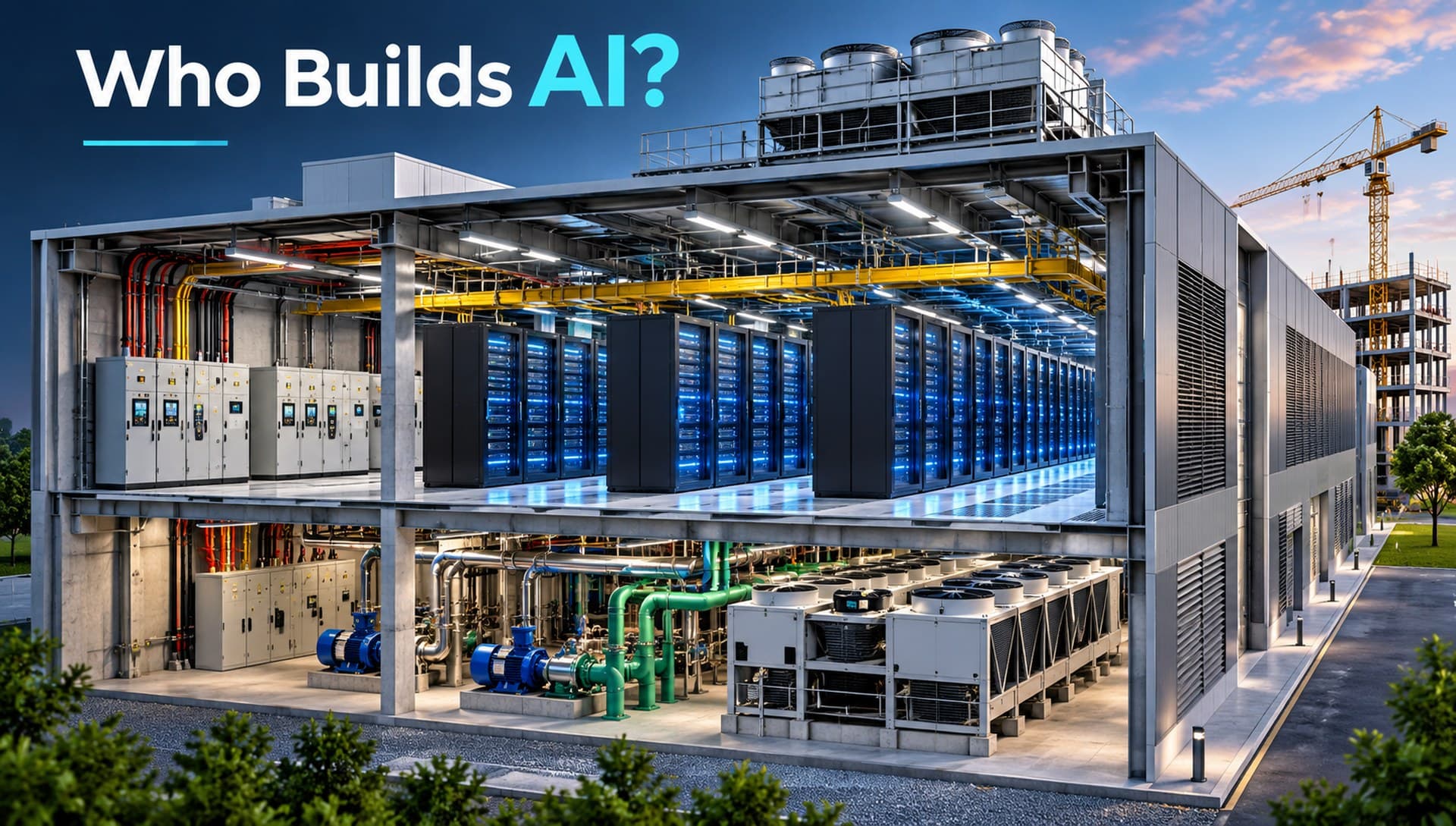
Imagine a company wants to add AI computing capacity. It cannot simply buy servers and begin charging customers. It needs a suitable site, a reliable electricity connection, power distribution equipment, backup systems, cooling capacity, network connectivity, physical security and staff who can operate the facility.
Each element creates a different commercial decision. How much power will the site require? Can equipment be delivered when needed? What happens if a cooling system fails? How much spare capacity is prudent, and how much becomes expensive underused infrastructure?
The servers may be the most visible technology investment, but the supporting systems determine whether those servers can operate safely and reliably. A computing system that cannot be powered or cooled consistently cannot deliver its promised service.
This is why AI infrastructure brings together multiple value chains: electrical equipment manufacturing, construction and engineering services, thermal management, digital networking, utilities and ongoing facility operations. The businesses supplying those capabilities may benefit from AI demand even when they do not build AI models themselves.
Why power and cooling companies matter
Modern computing equipment turns a substantial share of the electricity it consumes into heat. Removing that heat is essential to protecting hardware and maintaining performance. Cooling designs differ according to equipment density, climate, building layout, water availability and operating requirements.
Power management is equally important. Electricity must be delivered, conditioned and distributed to the equipment, while operators plan for outages, equipment faults and maintenance. Redundancy can improve resilience, but it also adds capital cost and operating complexity.
Consider a hypothetical data-centre operator deciding between two cooling designs. One may cost less to install but consume more electricity over time. Another may require higher initial investment yet support denser computing equipment. The correct decision depends on expected workloads, power tariffs, water constraints, maintenance capabilities and the facility's useful life.
This is the business behind the engineering: infrastructure choices shape reliability, operating margins and the economics of the AI service sold to customers.
Delta's announcement illustrates that connection. Reuters reported that the company expects data-centre and telecom activities to account for approximately 50–55% of its India revenue within four to five years, compared with roughly 40–42% currently. That projected change is a management expectation, not a confirmed future outcome. [1]
The workforce behind a single AI facility
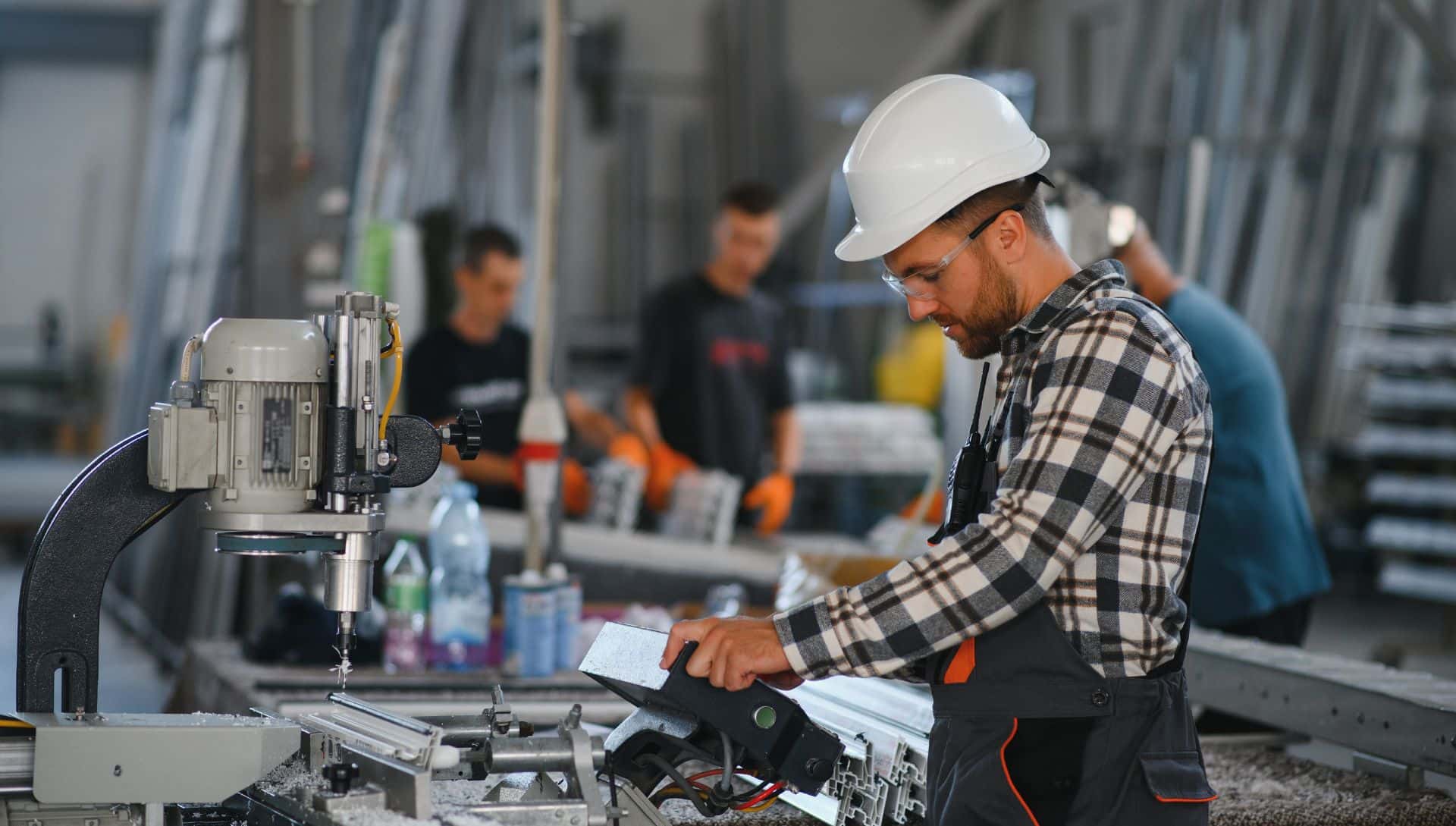
The construction phase needs project planners, civil and electrical engineers, safety specialists, equipment installers and commissioning teams. Manufacturing suppliers need production engineers, quality specialists, procurement professionals and technicians who understand precision and reliability.
Once a site is operating, the work changes. Facilities engineers monitor electrical and mechanical systems. Maintenance teams investigate faults and schedule interventions. Network and infrastructure specialists manage connectivity and equipment. Energy and finance professionals analyse consumption, utilisation, contracts and operating costs.
These are not interchangeable jobs. A cloud architect may understand how workloads are deployed without knowing how a power-distribution unit is manufactured. A mechanical engineer may design cooling equipment without building the AI software that runs on the servers. Yet the end-to-end service depends on both.
Reuters reported that Delta's India workforce had exceeded 5,000 and that its India managing director expected headcount growth of about 15% annually over the next two to three years. This is a company-specific workforce expectation, not a forecast for the entire AI infrastructure labour market. [1]
For learners, the implication is significant. AI-related careers are not confined to model development, prompt engineering or data science. Traditional industrial and engineering disciplines may acquire new relevance when their work is connected to digital infrastructure.
From a factory floor to an AI service: follow the value chain
Picture a hypothetical order for equipment supporting a new AI facility. A manufacturer must source components, schedule production, test electrical performance and deliver equipment to the construction site. Contractors install and integrate it. Commissioning teams verify that systems perform as designed. Operators then maintain the equipment over years of use.
A delay at any point can affect the commercial plan. Late delivery may postpone commissioning. A reliability issue may require redesign or replacement. Oversized infrastructure may sit underutilised. Underbuilt systems may limit expansion.
That is why supply-chain coordination, quality management, project execution and service capability matter alongside product innovation. A supplier does not win merely because AI demand is rising. It must turn demand into reliable deliveries at sustainable economics.
For students and early-career professionals, this provides a useful way to explore any industry: follow the customer's problem backward through the businesses and functions required to solve it.
The hidden financial question: who pays for capacity?
AI infrastructure is capital intensive. Equipment and buildings are paid for before they necessarily generate full revenue. Operators must make assumptions about future demand, utilisation, energy costs, maintenance and technology replacement cycles.
Imagine two hypothetical facilities with identical installed computing capacity. One consistently attracts paying workloads and manages electricity efficiently. The other has long periods of unused capacity and higher operating costs. Their technology may look similar, but their financial performance could differ dramatically.
This is where cloud economics and FinOps enter the picture. Cloud teams examine the cost of workloads and resource usage. Infrastructure finance teams examine asset utilisation, contracts, depreciation, power expenses and return on investment. These views connect the software experience to the physical economics beneath it.
A data-centre buildout is therefore not proof that future AI demand will justify every investment. Demand projections, delivery schedules and customer contracts all need scrutiny.
Reuters cited JLL India's projection that the country's data-centre capacity could more than triple by 2029, requiring an estimated $110 billion in investment. That is a forecast attributed to a consultancy, not a committed or completed investment total. [1]
What should professionals learn from this?
The strongest lesson is to combine depth in one discipline with enough industry knowledge to understand how that discipline contributes to the customer outcome.
An electrical engineer benefits from understanding data-centre reliability and the economics of downtime. A supply-chain analyst benefits from understanding how long-lead equipment affects commissioning schedules. A finance professional benefits from understanding why power, cooling and utilisation determine infrastructure costs. A cloud specialist benefits from knowing what happens beyond the software dashboard.
For Omnivance, this story connects learning themes across data centres, manufacturing, infrastructure and construction, energy, supply chains and Cloud FinOps. These are conceptual learning connections, not claims that specific Omnivance courses are already available.
The opportunity is to teach the system rather than isolated job titles: what the customer buys, which businesses deliver it, which functions coordinate, what can go wrong and how success is measured.
The industry behind the algorithm
AI may be experienced through a chat window, but it is delivered through a chain of physical assets, industrial suppliers and skilled people. Delta Electronics' growth ambition offers a timely reminder that the AI economy reaches far beyond the companies writing models.
The next time an AI response appears on a screen, consider the machinery and expertise that made those few seconds possible. The visible product is intelligence on demand. The less visible achievement is an entire industrial system working together.
SOURCE:
[1] Reuters, 19 November 2026, “Taiwan's Delta Electronics looks to triple India revenue in 4-5 years on AI boom”: https://www.reuters.com/world/asia-pacific/taiwans-delta-electronics-looks-triple-india-revenue-4-5-years-ai-boom-2026-11-19/ All future revenue, workforce, capacity and investment figures are attributed forecasts or management ambitions. Hypothetical examples are illustrative, not reported Delta operations.
Disclaimer
This article is intended solely for educational, informational and industry awareness purposes. It is based on publicly available information and independent interpretation to help readers understand industries, business models, technologies and emerging career opportunities.
The views, interpretations and illustrative examples presented do not constitute official positions, endorsements or recommendations by Omnivance or any organisations referenced. References to companies, brands, individuals and transactions are for educational and contextual purposes only and do not imply any affiliation or endorsement.
While reasonable efforts are made to ensure accuracy, Omnivance makes no warranties regarding the completeness, accuracy or continued relevance of the information. This content does not constitute investment, financial, legal or other professional advice. Readers should independently verify information before making business or professional decisions.
To the extent permitted by applicable law, Omnivance shall not be liable for losses arising from reliance on this content.
If you have concerns regarding factual accuracy, attribution, intellectual property or any other aspect of this article, please contact us. We will review legitimate concerns and take appropriate corrective action, including correction or removal of content where warranted.
Tags
Share this article

Omnivance Research Team
Dedicated to bridging the gap between education and industry requirements.
Related Courses
Deepen your knowledge with these recommended courses